

The Thrill Of Real-Time Play
There’s something about watching the croupier spin the roulette wheel or shuffle a deck right before your eyes that digital slots just can’t imitate. The energy, that subtle flicker of uncertainty, it’s alive in a way prerecorded games rarely manage.
Live casinos bridge this gap – they bring the heartbeat of a traditional gaming hall straight into your screen. The first time you log into a live baccarat room, perhaps through https://plinkocasino.uk.com/, you might be surprised how quickly the tension builds. Suddenly, that quiet living room starts to feel strangely electric.
Connection Between Player And Dealer
I think what keeps many people coming back isn’t only the potential for winning but that human presence. Dealers greet you, maintain eye contact through the camera, sometimes even respond to the chat. For a split second, it feels polite, almost friendly, but it also heightens the stakes. Just knowing someone’s watching adds weight to every move.
Mechanics Behind Live Casino Tables
Behind that clean, continuous stream lies a surprising mix of technology and human coordination. I once thought it was just a webcam and good lighting, but it’s a whole production crew keeping everything precise.

Cameras, card scanners, and optical sensors feed data back to the software instantly. The optical character recognition (OCR) ensures the result is displayed in real-time without delay.
Still, it’s not just machinery; the dealers themselves are trained to maintain rhythm, pace, and composure regardless of technical hiccups.
Decision Pressure And Emotional Response
When the dealer announces “final bets,” something almost physical happens. Even watching from a screen, your breath tightens. I think this is where live casinos master tension – it’s time-based and emotional. Every decision window feels shorter than it should, and the waiting moments stretch out endlessly.
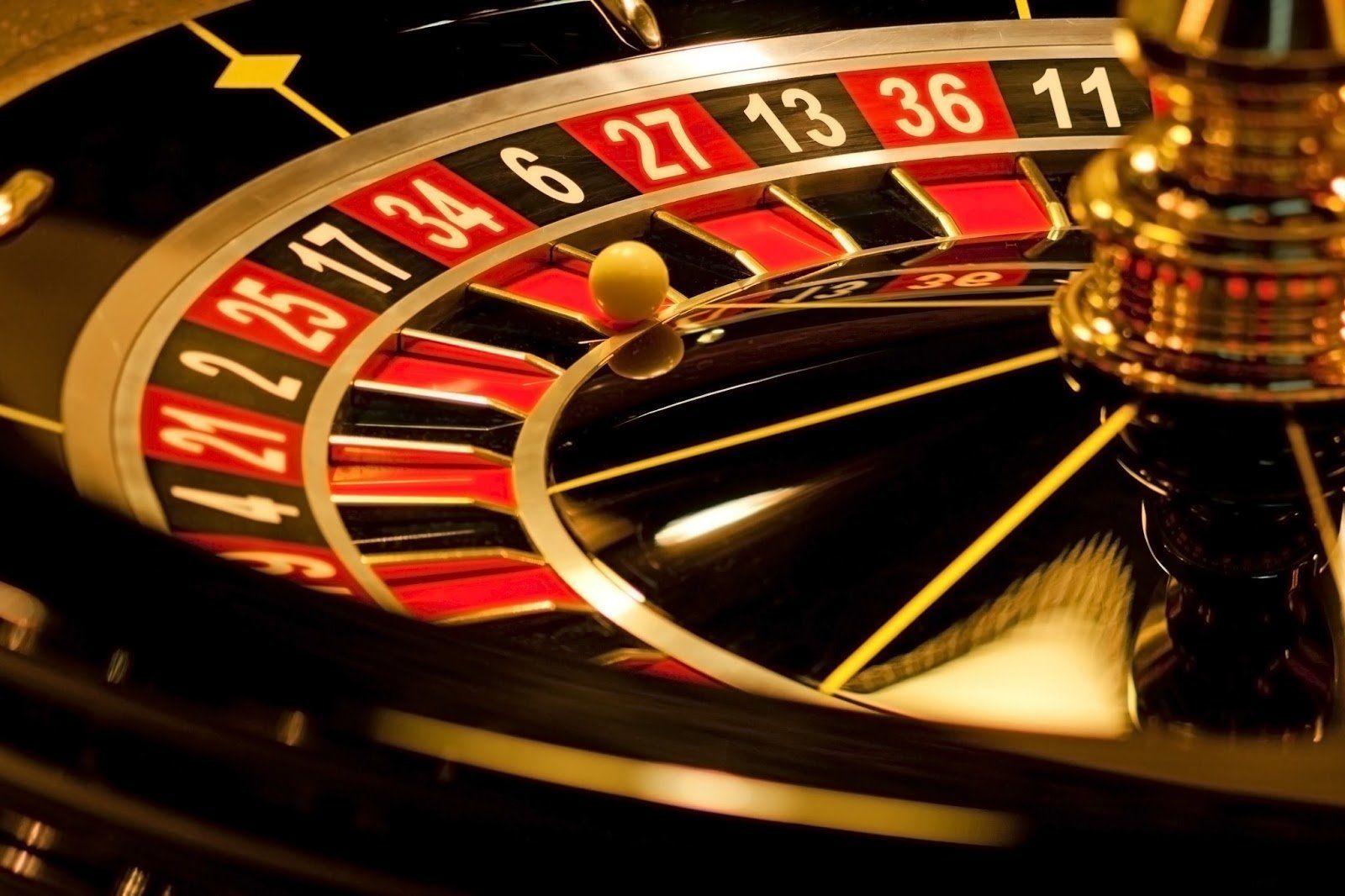
What’s fascinating is how we perceive outcomes differently under this kind of pressure. I’ve read a few psychological notes about micro-delay responses – the brain associates the waiting period with value. In simpler words, the longer we wait, the more invested we feel.
There are a few ways people try to manage that rising pulse. Some adopt breathing techniques; others take short breaks after each hand. Realistically though, tension is part of the fun. It’s not something to be fully removed.
- Keep your session shorter rather than longer. Small doses keep your focus sharp and emotions balanced.
- Engage socially when possible. A quick chat with the dealer or other players can ground you back into the experience without overthinking the stakes.
Unlike static slot spins, live games depend on direct responses. You must make calls, fold, double down, all while a real person across the table performs the motions. That dual awareness, of the digital and the personal, defines modern casino play.
- Understanding the tempo of the table can make a difference. Too fast, and you lose sight of strategy; too slow, and tension becomes fatigue.
- Recognize the value of intuition. Sometimes, it’s better to trust that instinct rather than trying to rationalize every chip placement. It keeps the excitement alive.
Conclusion
So, the real-time tension of live casino tables isn’t merely a byproduct of gambling – it’s the essence of it. That mix of unpredictability, technology, and human engagement turns a sequence of numbers into an emotional performance.
Whether you join a live blackjack stream after dinner or prefer the quiet focus of roulette at midnight, the thrill remains the same. Perhaps that’s the reason people say the casino never really sleeps. It just keeps spinning, waiting for your next move.